
WaMS – a new way to learn from local wader monitoring projects
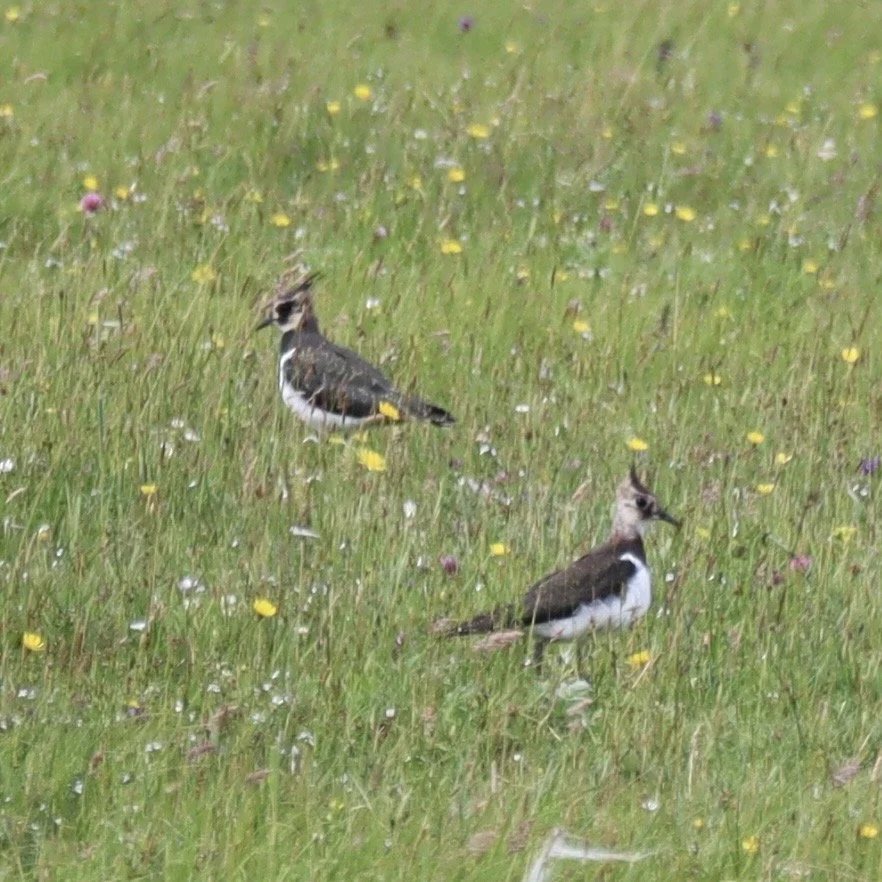
The number of breeding waders is in sharp decline across the UK and beyond, with numbers of familiar species like the curlew and lapwing having fallen by 62% and 63% in Scotland respectively between 1995 and 2024. The primary reason for this is poor productivity, which simply means that most breeding pairs raise too few young to maintain stable populations. This is usually because predators are taking more wader offspring today than in the past, but there are many other important factors that can reduce breeding success, and these vary from place to place and year to year.
This is why it is crucial to try to understand what drives wader egg and chick losses in different places and years so that we might be better placed to tackle them and improve wader breeding success and thus increase wader numbers. Scientific research projects will play an important part in this, but the scientific process can be long and drawn-out and is usually restricted to providing a snapshot of what is happening in a particular place during a particular time. This is why BTO and the Curlew Recovery Partnership are looking at something new.
They are piloting a new Wader Monitoring Scheme which will collate information already being collected across the UK by practitioners or for other projects. Bringing all this information together in one place may allow trends and patterns to be identified that otherwise would be impossible to discover, which could throw more light on the issues facing waders and what drives them.
The scheme doesn’t ask you to do anything differently (unless you want to) and offers some straightforward pointers so you can see if your data might be of use and (if you wish) how you might make it more useful to the project. Full details about the proposed scheme can be found here: https://www.bto.org/get-involved/volunteer/projects/wader-monitoring-scheme, including details of what kind of information is of use, lots of tips on how this can be collected and how to share your data. If you are interested and have data to share from this year, please be aware that the deadline for submission is 16 October. This gives the scientists at BTO sufficient time to collate all the information they receive and analyse it. Submission of data can be done via an online form at the above site, or via a downloadable spreadsheet which can be emailed to the address below.
Please do share this with anyone who might be interested in the new scheme and if you have any questions, get in touch with BTO (waders@bto.org).