
Predator Project
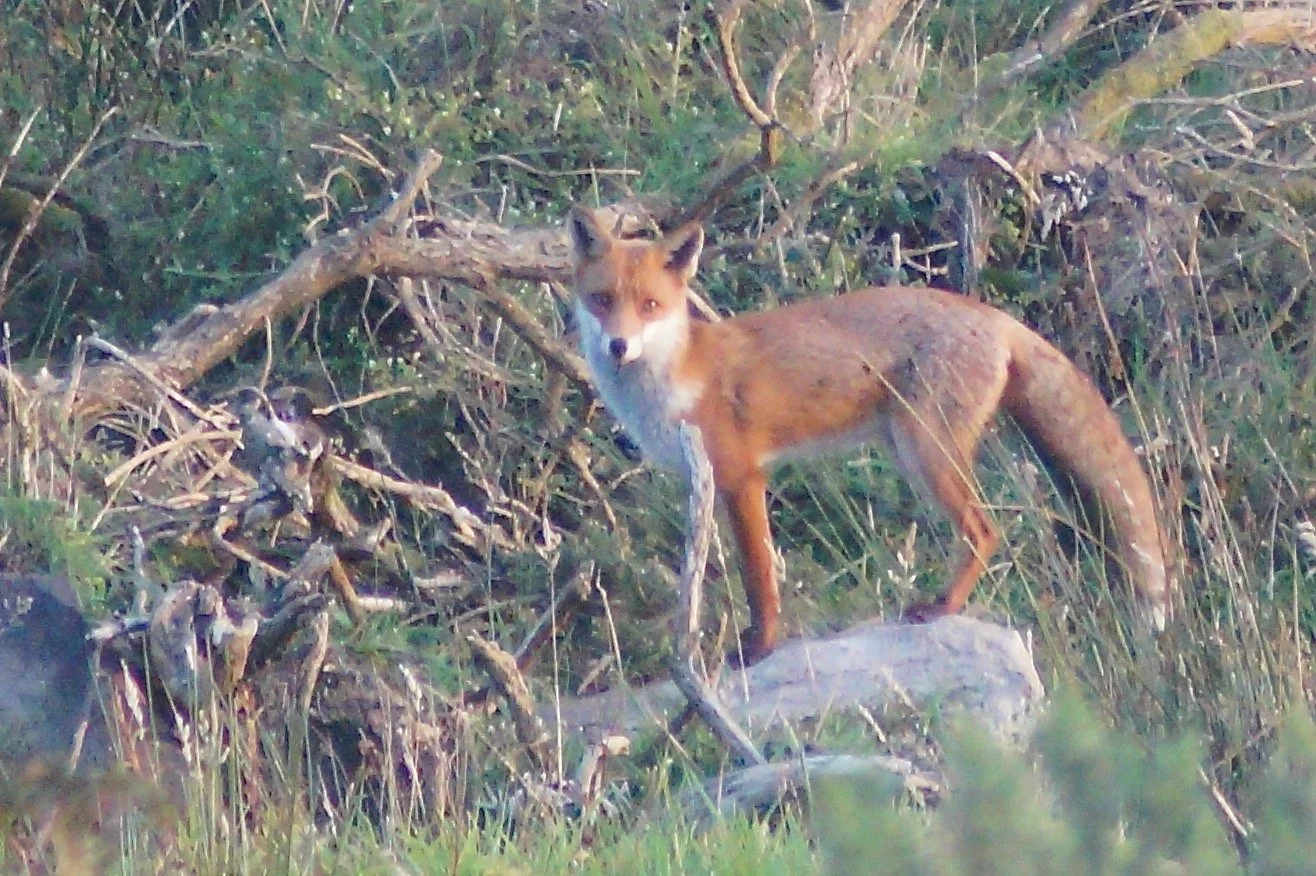
A fox - significant predators of waders at all ages!
The evidence to support the value of predator management for wader conservation is pretty clear. We know enough to be sure that for many species in many areas, habitat work is not enough on its own – and we also know that traditional gamekeeping provides a structure to support the delivery of predator control which benefits waders.
More study is needed on predation management, but we also need a model to support the delivery of predator management away from traditional gamekeeping heartlands. After all, predator management is hard work for skilled people. It’s difficult to expect farmers and landowners to undertake this work at an effective level with no extra support or backing, particularly when we aren’t always clear on what needs to be done and where.
Existing funding mechanisms support certain kinds of predator management under very specific circumstances, but this is really hard to quantify - and there’s no guarantee that schemes will continue to support this kind of work unless there’s proof that it’s effective.
Some landscapes require a very high intensity of predator management to support wader productivity, while others may need very little. At the moment, there’s a shortage of evidence around human effort, impact and the thresholds required to make a difference for waders. If we’re serious about this work and asking funders to support it, we need to get a much better understanding of what’s involved in predator management as it looks on the ground. We can model ideas about cost and time spent on predator management, but does this represent an accurate picture of the situation on the ground? When we talk about predator management, we include both lethal and non-lethal techniques. How practical are these, and how easily can we deliver both in tandem?
Working for Waders is now working on a series of projects to get a better understanding of what’s going on in the world of predator management. Over the next few weeks, we’ll be launching a survey and holding events which aim to gather a much clearer picture of the situation on the ground for waders and their predators.
We’re looking for input and support on this work, so please keep an eye out for updates and feel free to contact us!