
Welcome to Wader Week 2026!
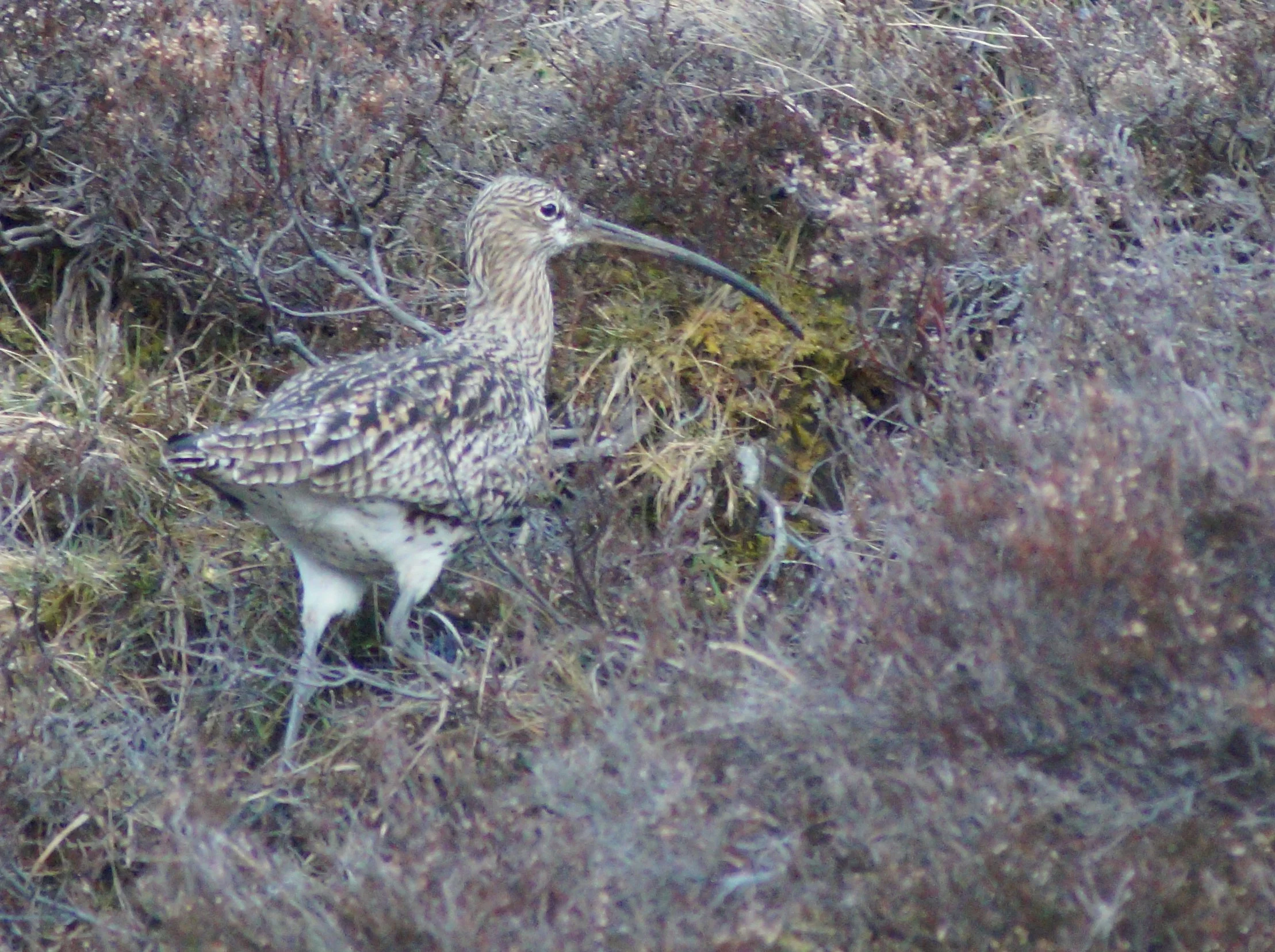
As we launch Wader Week 2026, we reflect on the previous year. Did our breeding waders have a good year with sufficient chicks fledged? Has much changed in the fortunes of breeding waders? It certainly seems to have been a mixed bag – as always – with weather patterns during spring and summer having a variable impact across the country, but it doesn’t seem to have been a disaster. Have their fortunes changed? Well, probably not from where you, the readers, are sitting, but we think progress has been made ‘behind the scenes’…
There is no question that breeding waders across Scotland and the UK still face a multitude of pressures. They compete for habitat with people wishing to plant trees on areas deemed to be otherwise unproductive or denuded; they still face pressures from modern farming practices in many areas that make it impossible to hatch eggs and rear chicks; and the ever-present predators take their toll on wader offspring too. This isn’t new: these issues are well known and indeed some ways to counter them are also tried and tested.
In an effort to try to help these birds, Working for Waders has begun developing a conservation plan. This will be part of the Scottish Biodiversity Strategy’s delivery plan and aims to begin tackling these pressures at scale.
A big part of this will be the identification of Wader Recovery Areas: landscapes with good wader habitat supporting high densities of several species. There’ll be more on this in a blog later this week, but we hope these areas will be recognised for the important hotspots that they are and that we can help those on the ground in these areas to keep them that way.
This won’t mean we ignore waders elsewhere, but when all conservationists are struggling to find resources, we will have to concentrate efforts here initially. The plan will also try to influence future agri-environment support for waders (ideas on a postcard please…) and investigate novel ways of tackling predator impacts, to name but two additional actions.
So, what will the future look like for breeding waders in Scotland (and the UK)? Even if our hopes all come to fruition, the future is likely to remain very different to what many of us remember. It is impossible to turn the clock back to a time when waders were more widely dispersed and more abundant than they are now – there are simply too many competing interests for the land and in many places that land has changed too much. This is a bitter pill to swallow, but with appropriate guidance and support mechanisms, and the will to make things happen, it is perfectly reasonable to expect future generations to be able to continue enjoying the sound of a calling curlew heralding spring and watch the acrobatic display of a male lapwing trying to impress the ladies. It’s just that many of us will have to travel further to do so…