
Nest Cameras 2026
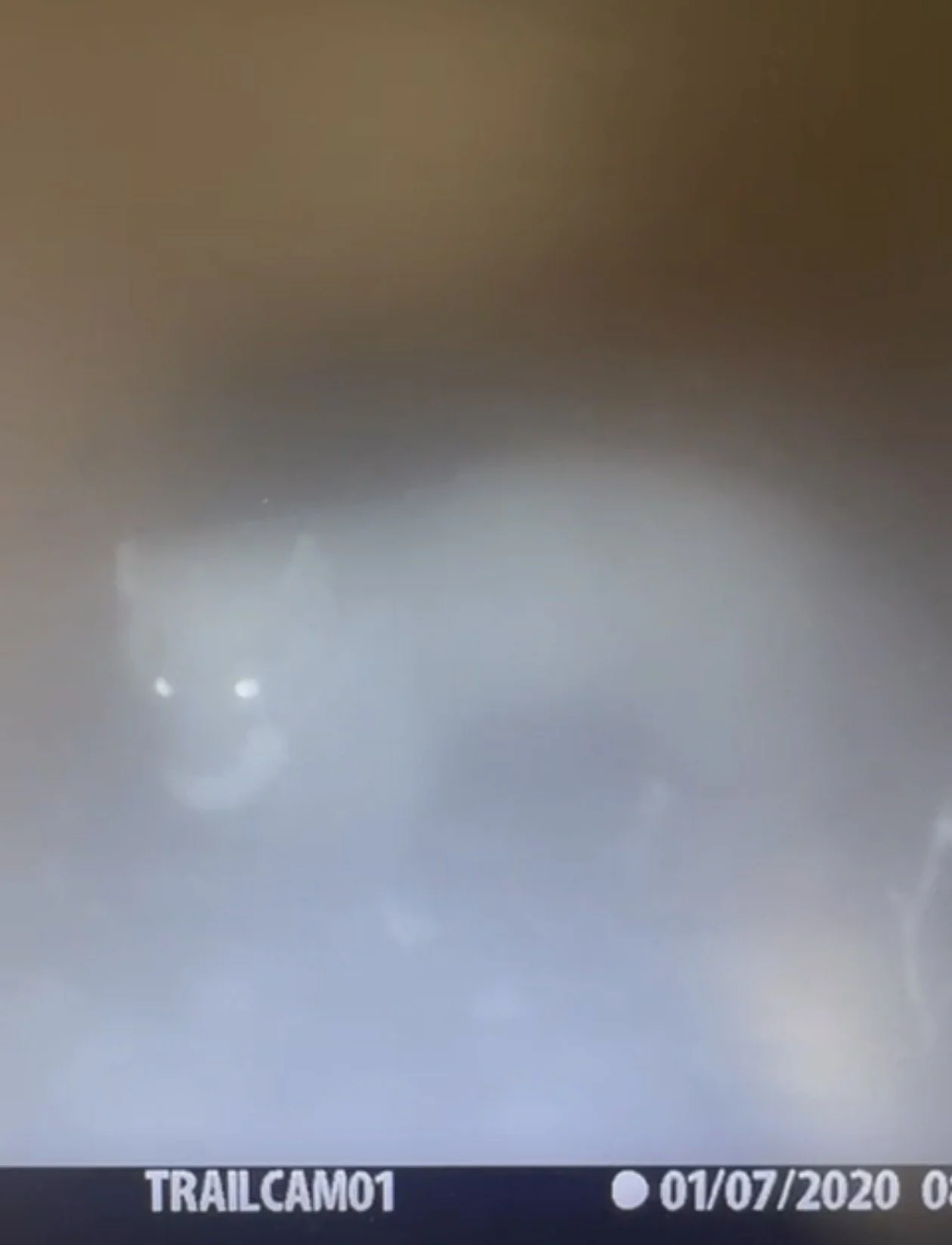
Grainy but unmistakable - a pine marten steals an oystercatcher egg in Aberdeenshire earlier this month.
Since it’s quite clear that wading birds are struggling most around breeding time, we’ve been running a project on wader nests for the past six years. This has often involved farmers and gamekeepers using cameras to monitor outcomes of wader nesting attempts, and the results have slowly built into a very useful body of evidence as time has gone by.
It’s certainly clear that in some parts of Scotland, predation plays a massive role in wader breeding success, and eggs are often lost to birds like crows and ravens as well as mammals like badgers, foxes and pine martens. This is not what you might call “breaking news” – farmers and keepers have known that predation can be a factor for many years. However, it is important to build a store of evidence around predation, and to understand the kinds of impacts it can have on wild birds.
It also has to be remembered that the photographs generated by this project only show one side of the picture. After all, it’s perfectly natural for a badger to eat a clutch of lapwing eggs. The problem comes when badgers eat so many lapwing eggs that lapwing numbers decline – and just a few photographs of badgers eating lapwing eggs in a random selection of sites across Scotland falls well short of complete evidence. When our data were combined with that from studies around the UK by a consortium of researchers, badgers were found to be the most common predators of wader eggs (the paper can be read here). We need to know more, but there’s already enough data to show that badgers raid lapwing nests more often in some years than others – seemingly when springs are particularly cold which makes other food sources like earthworms temporarily unavailable (the paper reporting this can be read here).
Some surprising issues have also shown up as a result of this project. Good quality evidence has shed light on the fact that sheep can eat wader eggs. Livestock were always perceived as a threat to waders, but this was largely focussed upon the risk of trampling by cows. In the event, the project has never recorded any trampling by cows – but it has shown up issues of certain individual sheep and lambs causing a disproportionate level of damage to the eggs of curlews and oystercatchers. That has also led to some useful new research.
At the same time, the project has uncovered pine martens predating curlew eggs far out in the middle of pristine peat bogs, miles away from habitats which we’d traditionally associate with these woodland predators. We also have good footage of badgers stealing oystercatcher eggs from the flower beds beneath the windows of a golf club, as well as rats hunting through cereal stubbles. In all these records, there is no unifying “culprit” or issue which we can place above all others in terms of blame.
Predation is a massive issue for waders, but it comes in many different forms – and we also can’t ignore a host of problematic issues around recreational disturbance, agricultural operations and bad weather. We also have to remember that cameras are only useful on nesting sites themselves. As soon as chicks emerge from their eggs, they walk out of sight and away from any attempt to monitor them. We can only use cameras to observe nesting success to the hatching stage, even though productivity can’t really be measured as successful until those tiny fuzzy chicks grow sufficient feathers to fly – this can often be a month or more, during which time countless other challenges await unseen.
Accepting that this project is trying to assemble a great deal of evidence and that running cameras is hard and time consuming work, we’d like to remind readers that if you have a wader nest nearby, please consider joining in and monitoring your birds this spring. We can offer help and guidance on setting cameras around wader nests and we can also provide some cameras on loan to get you started. Everybody who has taken part in this project has learned something new and it’s always fun to see inside the private lives of wading birds – but more importantly, your efforts will contribute to a much bigger push to gather evidence and drive wader conservation forward into the future.
Contact info@workingforwaders.com or awplaurie@hotmail.com for more info.