
What's a Wader Recovery Area?
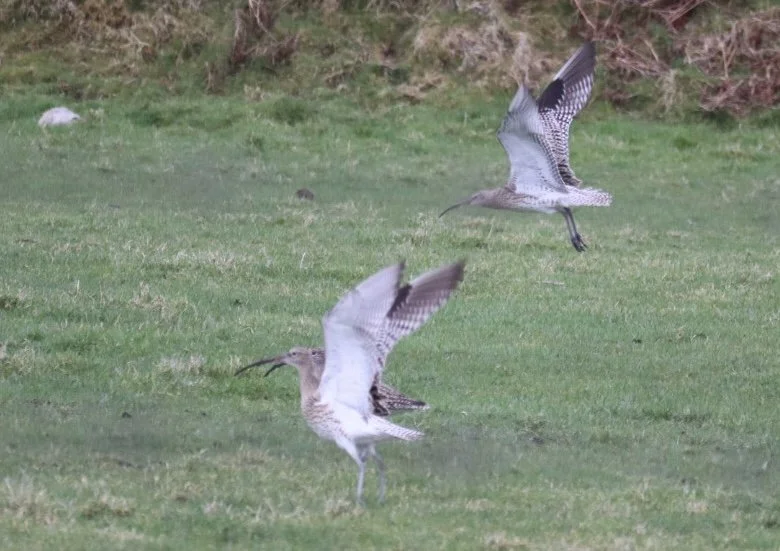
Curlews returning to breed on Islay - a potential Wader Recovery Area?
Wader declines seem to continue each year across Scotland, and while there are signs of progress in certain areas, the headlines often make for gloomy reading. After almost twenty years of trying to support waders across the entire country, it’s starting to make more sense to prioritise effort and resources on areas where wading birds are either doing reasonably well, or where hard work and enthusiasm are beginning to build momentum towards change.
Over the last few months, Working for Waders has been identifying key areas for waders and wader conservation in Scotland, often based around locations where wader numbers are at their strongest. That hasn’t been an easy task, because despite the fact that waders are a high priority for conservationists, data on wader distribution is often patchy and it soon falls out of date. Waders can soon vanish from certain areas, and even recent surveys can be upset by sudden declines which happen in just a few seasons. Certain areas of Scotland are extremely well surveyed for wader presence and productivity, but other areas have almost no recent updates whatsoever.
The idea of setting up Wader Recovery Areas makes sense to fill in some important gaps and focus on building a clearer picture of what’s happening and where, particularly at a time when funding and resources for wader conservation are often hard to come by.
Over the next eight weeks, we’ll be travelling around all the proposed Wader Recovery Areas to get an idea of what’s going on and where. At the moment, these WRAs are scattered from Shetland to Lanarkshire, but nothing is set in stone and it’s likely that some will be moved or changed as the process goes on. At this stage, the emphasis is not so much about pinning down specific areas for waders, but really in sense-checking a new approach towards targeting landscapes for action. We want to find out if it works, and how it might look. For that reason, we’re speaking to as many people as we can find, gauging interest and enthusiasm and gathering views and ideas on the ground.
We’ve always seen a fantastic swell of enthusiasm from farmers, gamekeepers and land managers around wader conservation. The best projects are being led by people who have their feet on the ground, and we’re really keen to support that. The idea of Wader Recovery Areas hopes to link these projects together and support them while also looking for opportunities to expand and develop wader conservation more broadly across Scotland.
We’ll be providing updates on this work as we travel around the country over the next few weeks, but please feel free to contact us if you’d like to hear more about the thinking behind WRAs – and particularly if you’d like to have your say!